
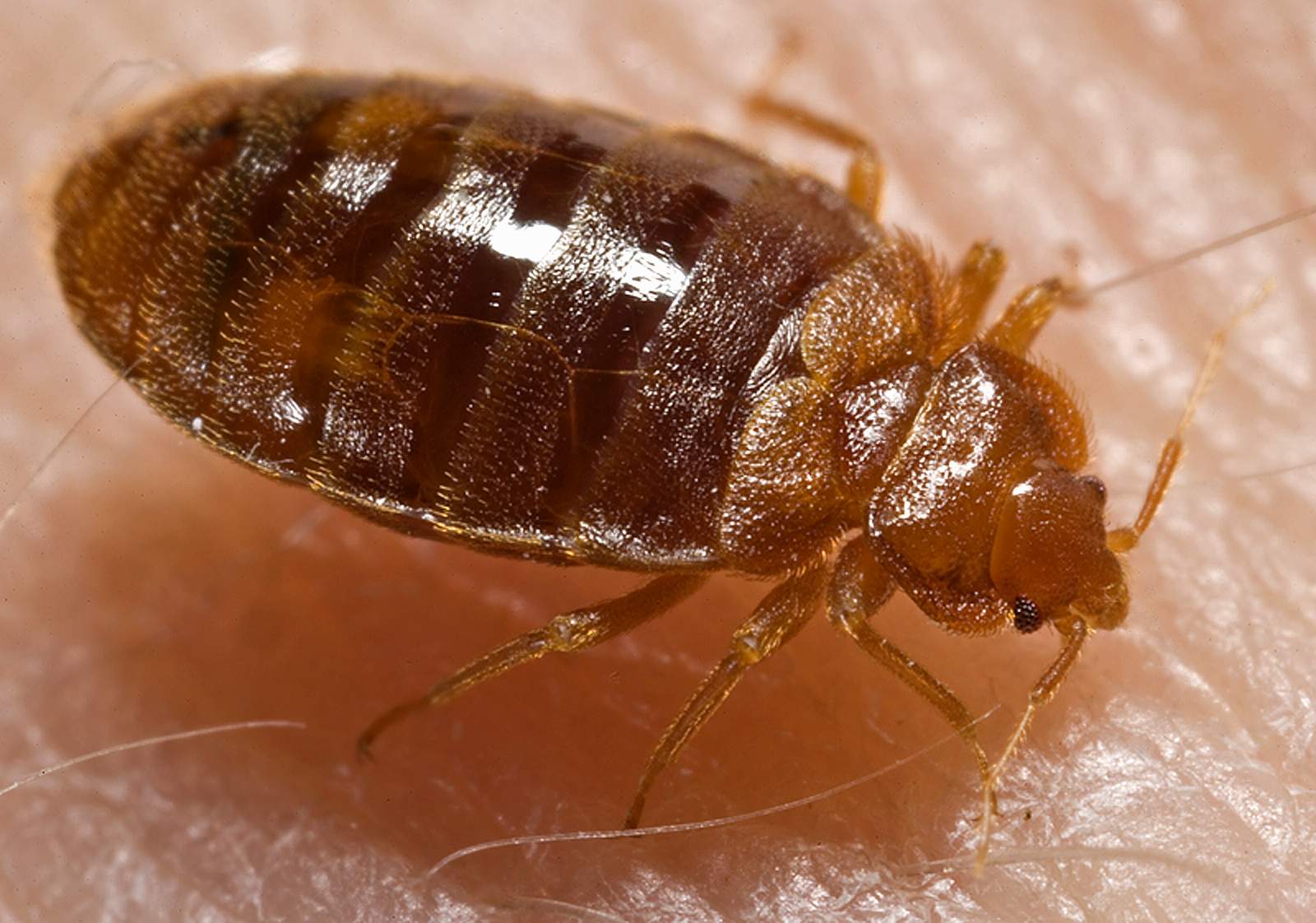
When people think about bed bugs, they picture infested mattresses and box springs. While beds are certainly prime territory for these pests, bed bugs hide in dozens of other locations that most homeowners never think to check. Missing these hiding spots during inspection or treatment means leaving behind populations that quickly rebuild the infestation.
Understanding where bed bugs actually hide helps you identify problems early and explains why professional treatment is so thorough.
Behind and Inside Electrical Outlets
This is one of the most commonly overlooked hiding spots. Bed bugs crawl behind outlet and switch plate covers, using the spaces inside walls as highways to travel between rooms. They’re drawn to the warmth electrical components generate and the dark, protected environment.
If you remove an outlet cover in an infested room, you might find bed bugs, shed skins, and fecal spots inside. This is also how bed bugs spread between apartments in multi-unit buildings, traveling through shared walls via electrical systems.
Never spray insecticides into electrical outlets yourself. This creates serious fire and shock hazards. Professional pest control technicians use dust formulations specifically designed for treating these areas safely.
Inside Electronics and Appliances
Bed bugs seek warmth, which makes electronics attractive hiding spots. They infest alarm clocks, televisions, gaming consoles, laptops, and other devices kept near beds. The warmth these items generate when in use mimics body heat, and the internal components provide numerous hiding places.
Check the seams and vents of electronics near your bed. Look for the telltale dark fecal spots that indicate bed bug activity. Be extremely careful if you need to treat or move infested electronics, as bed bugs can easily fall out and spread to new areas.
Books and Clutter
Bed bugs love clutter because it provides countless hiding spots and makes inspection difficult. Stacks of books, magazines, papers, and other items on nightstands or near beds become bed bug condos.
They hide between pages, in book bindings, and in the spaces between stacked items. The more cluttered your bedroom, the harder it is to find and eliminate bed bugs. Reducing clutter is a critical step in both preventing and treating infestations.
Picture Frames and Wall Hangings
Any item hanging on walls near your bed can harbor bed bugs. They hide behind picture frames, mirrors, wall clocks, and decorative items. The small gap between the wall and the back of a frame provides perfect protection.
Remove wall hangings near beds and inspect both the items themselves and the wall behind them. Check the backing material on frames and look inside the space between the frame and the artwork or photo.
Baseboards and Crown Molding
The junction where baseboards meet walls and floors creates narrow gaps perfect for bed bugs. They hide in these spaces during the day and emerge at night to feed. Similarly, crown molding near ceilings can harbor bed bugs, especially in rooms directly above or below infested areas.
Check for gaps or cracks in baseboards and molding. Look for dark fecal staining along these edges, which indicates regular bed bug traffic. Even small gaps provide enough space for these flat-bodied insects.
Curtains and Window Treatments
Bed bugs hide in the folds and hems of curtains, especially those near beds. They’re attracted to any fabric that provides coverage and darkness during daylight hours. Check where curtains attach to rods and along the length of heavy drapes where folds create protected spaces.
Valances and other decorative window treatments also provide hiding spots. If your bedroom has elaborate window coverings, these need thorough inspection during any bed bug check.
Furniture Joints and Undersides
Most people check the tops and obvious surfaces of bedroom furniture, but bed bugs prefer hidden areas underneath and inside. They infest:
- The undersides of drawers
- Joints where furniture pieces connect
- The backs of dressers and nightstands
- Inside unused drawers
- Behind furniture that sits against walls
Pull furniture away from walls and flip it over if possible. Check every joint, seam, and hidden surface. Bed bugs are tiny and can squeeze into incredibly small spaces in wooden furniture joints.
Inside Smoke Detectors and Ceiling Fixtures
Bed bugs climb walls and ceilings to hide in light fixtures, smoke detectors, and ceiling fans. These elevated positions seem strange for insects that feed on people in beds, but bed bugs are excellent climbers and use ceiling spaces to travel and hide.
Check the edges of ceiling fixtures and around smoke detectors. If you have a ceiling fan in your bedroom, inspect the motor housing and blade attachments. This is another area where professional tools and expertise make a difference, as these spots are difficult for homeowners to inspect properly.
Upholstered Furniture Beyond the Bed
Sofas, chairs, and recliners in bedrooms or nearby living areas can harbor bed bugs. They hide in seams, under cushions, in zippers, and in the framework underneath upholstered pieces.
If you have a bedroom chair where you pile clothes or a reading chair near your bed, inspect it thoroughly. Bed bugs often establish satellite populations in furniture near primary feeding areas.
Carpeting Edges and Under Area Rugs
The edges of wall-to-wall carpeting, especially where it meets baseboards, provide hiding spots. Bed bugs also hide under area rugs, particularly along the edges and in any gaps between the rug and floor.
If you have carpeting in your bedroom, carefully check the perimeter where carpet meets walls. Lift area rugs and check underneath, paying special attention to any rumpled or loose sections.
Door and Window Frames
The gaps and cracks in door frames and window frames near beds serve as bed bug hiding spots. They particularly favor the upper corners of these frames and any areas where wood has warped or separated slightly.
Inspect the full perimeter of bedroom doors and windows. Don’t forget closet doors, as bed bugs can establish populations in closets among stored clothing and boxes.
Inside Closets
Speaking of closets, they’re often overlooked during inspections. Bed bugs hide in stored luggage, boxes of clothing, shoes, and on closet shelves. If your closet is near your bed or if you’ve moved infested items into closet storage, bed bugs can thrive there.
Empty closets completely during inspections and treatment. Check everything stored inside and all closet surfaces including shelving, rods, and walls.
Wallpaper and Peeling Paint
Any wall covering that’s loose or peeling creates spaces for bed bugs to hide. They slip behind wallpaper seams and bubbles, and they crawl behind peeling paint or damaged drywall.
If your bedroom walls have wallpaper, check for loose edges and seams. Look for fecal staining or actual bugs along these vulnerable areas.
Why These Hidden Spots Matter
When homeowners try DIY bed bug treatment, they typically focus on obvious areas like mattresses and visible furniture surfaces. Missing even a small population in one of these hidden locations means the infestation survives and rebuilds.
Professional pest control technicians are trained to check all of these areas systematically. We use specialized inspection tools to examine hard-to-reach spots and know exactly where bed bugs hide based on years of experience treating Pittsburgh homes.
Comprehensive treatment addresses all hiding spots, not just the ones you can easily see. This is why professional bed bug elimination is so much more effective than DIY attempts.
If you suspect bed bugs in your Pittsburgh home or want a thorough inspection to confirm whether you have an infestation, call Stewart Termite & Pest Control at 412-822-7610. We’ll inspect every potential hiding spot, identify the full extent of any infestation, and implement treatment that eliminates bed bugs completely from your home.