
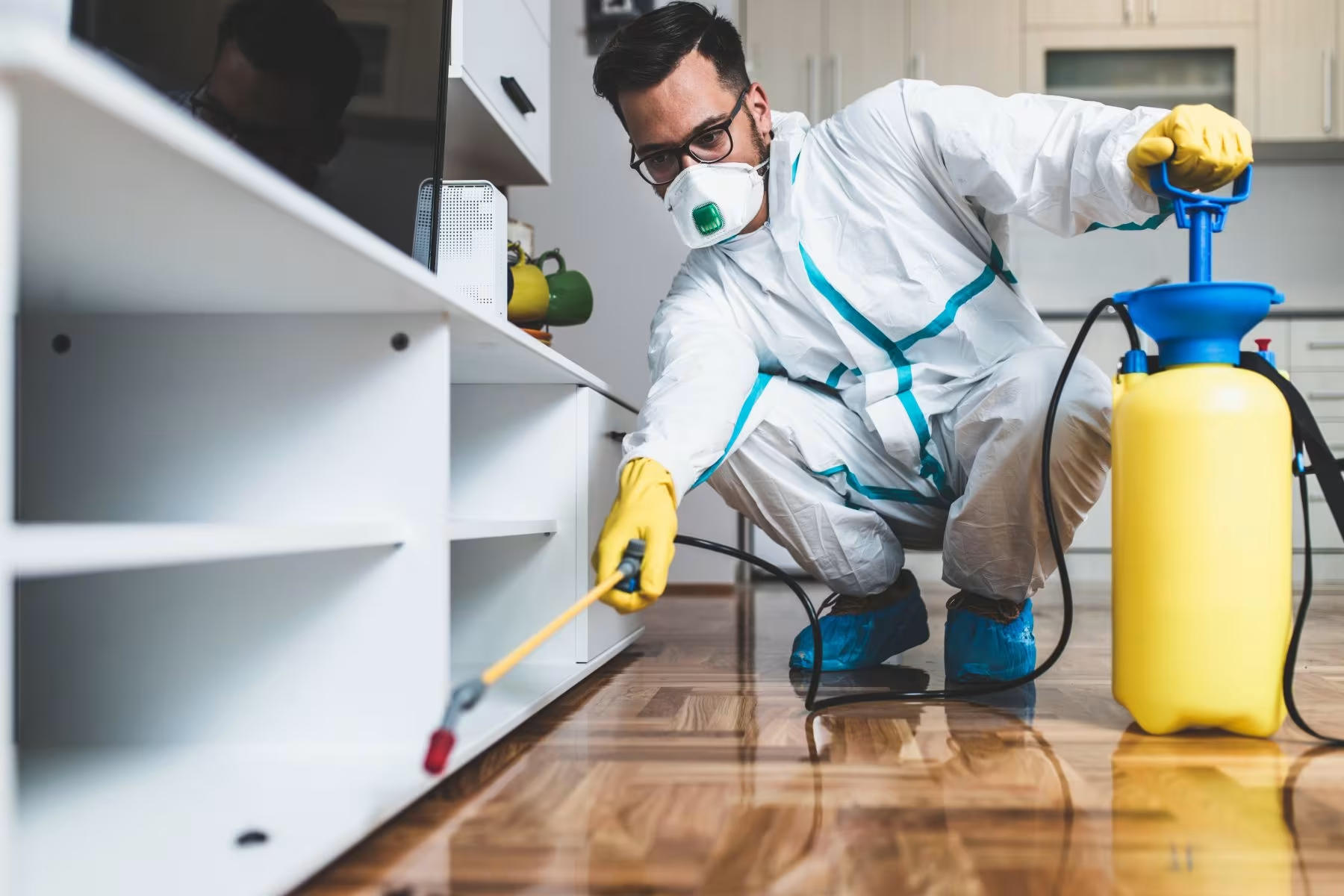
Professional bed bug treatment in Pittsburgh involves a thorough inspection, a targeted combination of liquid, aerosol and dust applications to the places bed bugs hide, and scheduled follow-up visits to catch bugs that hatch after the first service. It’s a process, not a single spray, and your preparation makes a real difference.
If you’ve found bites in a line on your arm, tiny rust-colored spots on your sheets, or an actual bug tucked into a mattress seam, you’re probably wondering what happens next. Knowing what a professional treatment looks like before you make the call helps you ask better questions, prepare your home, and set realistic expectations. Stewart Termite & Pest Control provides professional bed bug control for homeowners throughout the Pittsburgh area, and the steps below explain how that process typically unfolds.
Why Do Bed Bugs Require Professional Treatment?
Bed bugs are small, flat, and very good at hiding. An adult is about the size of an apple seed, and nymphs and eggs are smaller still. They tuck themselves into mattress seams, box spring fabric, headboard joints, baseboard gaps, electrical outlets, and the backs of picture frames, then come out at night to feed. Because they can survive for long stretches without a meal, a home can seem quiet for weeks before activity picks back up.
Store-bought sprays and foggers rarely reach the places bed bugs actually live, and some populations have developed resistance to common over-the-counter products. Foggers can even scatter bugs into wall voids and neighboring rooms, making the problem harder to contain. We cover this in more detail in our post on why bed bugs are so hard to eliminate without professional help, but the short version is that successful bed bug treatment depends on reaching every hiding spot and breaking the life cycle.
What Happens During a Bed Bug Inspection?
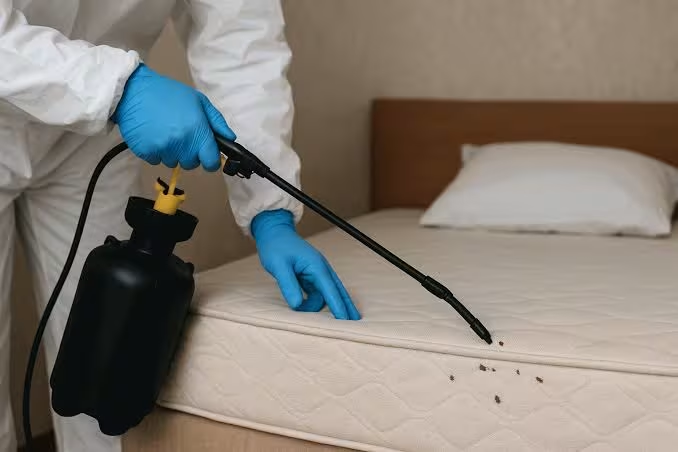
Every effective treatment starts with a careful inspection. A technician will look closely at beds, upholstered furniture, nightstands, dressers, baseboards, curtains, and any clutter near sleeping areas. They’re searching for live bugs, shed skins, eggs, and the dark fecal spotting bed bugs leave behind.
The inspection does more than confirm the problem. It shows how far the infestation has spread, which rooms need treatment, and whether nearby spaces like a couch in the living room or a child’s bedroom down the hall are also affected. That information shapes the entire treatment plan. When you schedule, it helps to share where you’ve noticed bites or signs, when you first spotted them, and whether anyone in the home has traveled recently or brought in used furniture.
How Does Professional Bed Bug Treatment Work?
Stewart’s bed bug treatment uses a combination of liquid, aerosol, and dust applications. Each one targets a different type of hiding spot, and using them together gives far better coverage than any single product could.
Liquid Applications
Liquid treatments are applied to cracks, crevices, and surfaces where bed bugs travel and hide, such as bed frames, baseboards, furniture joints, and along carpet edges. These applications leave behind residual protection, which means bugs that crawl across treated areas after the visit continue to be affected. That residual effect is important because bed bugs that were hidden during the service will eventually move.
Aerosol Applications
Aerosols allow a technician to reach tight, precise spots that liquids can’t easily cover, including mattress seams, tufts, box spring edges, and small gaps in furniture. They’re useful for direct contact with bugs hiding in fabric folds and for getting product deep into narrow crevices.
Dust Applications
Dusts are applied inside wall voids, behind outlet and switch plates, and into other hidden spaces where bed bugs can shelter or travel between rooms. Dust settles into these voids and stays effective over time, which helps cut off the routes bed bugs use to move through a home. This step is especially valuable in older houses with gaps behind trim and plaster.
Why Are Follow-Up Visits Part of Bed Bug Treatment?
Bed bug eggs are protected by a hard shell, and no treatment reliably destroys every egg in a single visit. Eggs that survive the first service will hatch over the following days, and those young nymphs need to be dealt with before they mature and start laying eggs of their own.
Follow-up visits are scheduled to catch that next generation. During a follow-up, the technician inspects again, checks for any remaining activity, and re-treats as needed. Skipping a follow-up is one of the most common reasons infestations seem to “come back,” so plan on the full treatment schedule from the start. Bed bug treatment is designed as a series, and the follow-up is where the job gets finished.
How Should You Prepare Your Home for Bed Bug Treatment?
Preparation gives the treatment its best chance to work. Your technician will provide specific instructions for your home, but most preparation follows a similar pattern:
- Launder bedding and clothing. Wash sheets, pillowcases, blankets, and clothing from affected rooms, and dry them on the highest heat setting the fabric allows. Store clean items in sealed plastic bags until treatment is complete.
- Reduce clutter. Clear items off the floor, out from under beds, and away from baseboards so technicians can reach treatment areas. Avoid moving belongings into untreated rooms, which can spread bugs.
- Pull furniture away from walls. Moving beds and couches a few inches out gives access to baseboards and the backs of furniture.
- Empty nightstands and dressers near beds if your technician asks you to, so drawers and joints can be inspected and treated.
- Plan for people and pets. Ask how long to stay out of treated rooms and follow those instructions carefully.
Resist the urge to throw away your mattress or furniture before talking to a professional. In many cases those items can be treated, and dragging an infested mattress through the house can spread bugs to new rooms.
What Makes Bed Bug Treatment Different in Pittsburgh Homes?
Pittsburgh’s housing stock plays a real role in how bed bugs spread and how treatment is approached. Many homes across the city and surrounding Western Pennsylvania communities are older, with plaster walls, settling trim, gaps along baseboards, and decades of small cracks that give bed bugs plenty of places to hide. That’s one reason dust applications in voids and careful crack-and-crevice work matter so much here.
Rowhouses, duplexes, and converted multi-unit homes are common in many Pittsburgh neighborhoods. Shared walls and connected spaces make it easier for bed bugs to move between units, so anyone living in an attached home should mention it when scheduling. The region’s large student and renter population also means frequent move-ins and move-outs, along with plenty of used furniture changing hands, both common ways bed bugs travel.
It’s also worth knowing that Pittsburgh’s cold winters don’t solve the problem. Bed bugs live indoors alongside people, and heated homes keep them comfortable year-round. Holiday travel, visiting relatives, and fall move-in season can all bring new introductions, so prompt bed bug treatment matters no matter the time of year.
What Affects the Cost of Bed Bug Treatment?
Every home is different, so the cost of treatment depends on what the inspection finds. The main factors include:
- Size of the infestation, including how many rooms are affected
- Size and layout of the home, along with the amount of furniture and clutter
- Type of dwelling, since attached homes and multi-unit buildings may require broader treatment
- Number of follow-up visits needed to fully break the life cycle
- How early the problem is caught, because smaller infestations are generally simpler to treat
Calling at the first signs of activity is usually the best way to keep treatment straightforward. A professional inspection will give you a clear picture of what your specific situation requires.
Frequently Asked Questions About Bed Bug Treatment
How long does bed bug treatment take?
The initial service length depends on the size of your home and how many rooms need treatment. Because follow-up visits are part of the process, the full treatment typically spans a few weeks rather than a single day.
Will I still see bed bugs after the first treatment?
It’s common to see some activity after the first visit, especially as bugs leave hiding spots and cross treated surfaces or as eggs hatch. Keep track of what you see and share it with your technician at the follow-up.
Do I need to leave my home during treatment?
You’ll need to stay out of treated areas for a period of time after service. Your technician will give you specific re-entry guidance for people and pets.
Is heat treatment required to get rid of bed bugs?
No. A thorough program using liquid, aerosol, and dust applications combined with scheduled follow-up visits is an established, effective approach to eliminating bed bugs. Stewart’s treatment is built around these methods.
Can I prevent bed bugs from coming back?
Inspect luggage after travel, check used furniture carefully before bringing it inside, use encasements on mattresses and box springs if recommended, and keep clutter down around beds. If you notice new signs, call early.
Get Professional Bed Bug Treatment for Your Pittsburgh Home
Bed bugs are stressful, but they’re a solvable problem when treatment is thorough and follows through to the end. A careful inspection, targeted liquid, aerosol, and dust applications, and well-timed follow-up visits give your home the best chance of being bed bug free, without the guesswork of store-bought products.
If you’re seeing signs of bed bugs in your Pittsburgh-area home, don’t wait for the problem to spread to more rooms. Contact Stewart Termite & Pest Control to schedule an inspection and learn more about our bed bug control services. Our team will walk you through the process, explain how to prepare, and help you get your home back to normal.