
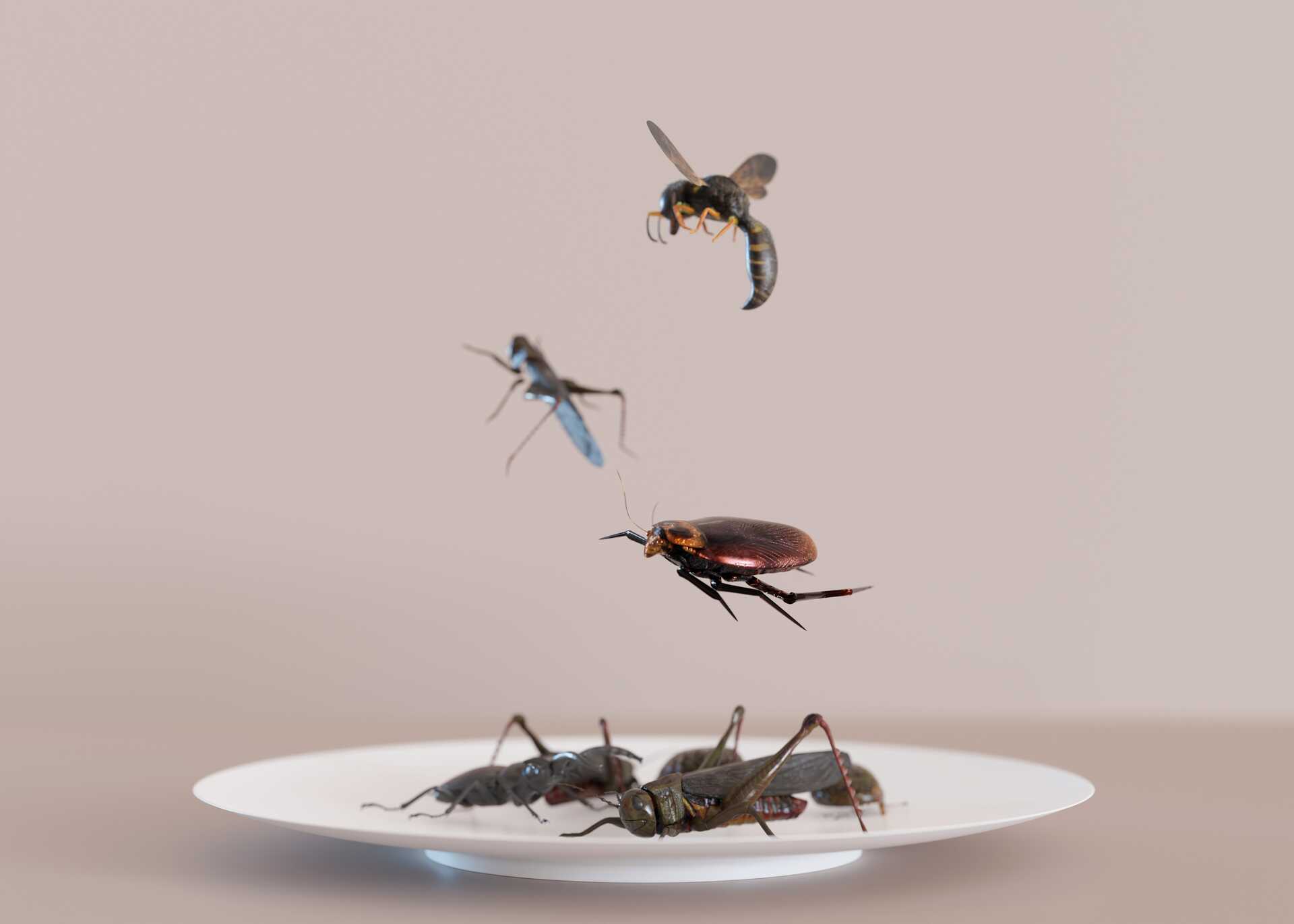
Most people assume pest problems disappear when Pittsburgh’s temperatures drop and snow starts falling. While it’s true that many insects become dormant or die off in winter, several pests remain active and actually become more problematic during cold months. Understanding which pests threaten your home in winter helps you stay vigilant and address problems before they become serious.
Here are the pests Pittsburgh homeowners need to watch for during winter.
Mice and Rats
Rodents are the most common winter pest problem in Pittsburgh. As temperatures drop in fall, mice and rats seek warm shelter and reliable food sources, making your home an ideal winter refuge.
Mice can squeeze through openings as small as a dime, while rats need gaps only slightly larger. They enter through foundation cracks, gaps around utility lines, damaged vents, and openings under doors. Once inside, they nest in wall voids, attics, basements, and other protected areas.
Winter rodent populations grow quickly because your heated home provides ideal breeding conditions. A few mice in November can become a serious infestation by February. Signs include droppings, gnaw marks, scratching sounds in walls, and damage to food packages.
Rodents pose serious health risks through the diseases they carry and the contamination they create. They also cause structural damage by chewing on wood, insulation, and wiring, creating fire hazards.
Overwintering Insects in Your Walls
Several insect species seek shelter inside homes for winter, entering in fall and remaining dormant in wall voids, attics, and other protected spaces until spring.
Boxelder Bugs
These black and red insects cluster on sunny sides of buildings in fall before finding cracks to enter. They don’t feed or reproduce during winter but can emerge on warm days, appearing in living spaces in alarming numbers.
Cluster Flies
Larger and slower than house flies, cluster flies enter homes in fall to overwinter in attics and wall voids. They become nuisances on warm winter days when they wake up and fly around windows trying to get outside.
Ladybugs (Asian Lady Beetles)
While beneficial outdoors, Asian lady beetles become pests when they invade homes for winter. They can appear by the hundreds in attics and around windows, and they emit an unpleasant odor when disturbed.
Stink Bugs
Brown marmorated stink bugs, an invasive species common in Pittsburgh, seek indoor shelter for winter. They emit foul odors when threatened or crushed and can appear throughout the house on warm days.
These overwintering insects entered your home in fall, so winter is too late for prevention. The key is sealing entry points before fall and using professional treatments to prevent next year’s invasions.
Spiders
Spiders remain active indoors throughout winter because your heated home maintains temperatures they can tolerate. Common house spiders, cellar spiders, and others continue hunting for prey year-round in basements, garages, and living spaces.
While most spiders are harmless and actually beneficial because they eat other insects, many homeowners don’t want them in living spaces. Winter is when spider populations become more noticeable because people spend more time indoors and spiders move into living areas seeking prey.
Reducing clutter in basements and storage areas, sealing cracks where spiders enter, and addressing moisture problems all help control spider populations.
Cockroaches
Cockroaches thrive in heated buildings during winter. German cockroaches, the most common indoor species, prefer warm, humid environments like kitchens and bathrooms. They reproduce quickly and become significant problems if not addressed promptly.
Winter is actually when many Pittsburgh homeowners first notice cockroach problems because the insects concentrate in heated spaces rather than dispersing outdoors. If you spot cockroaches during winter, you likely have an established infestation that requires professional treatment.
Ants (In Some Cases)
Most ant species become dormant in winter, but ants with nests inside your home’s heated spaces remain active year-round. Carpenter ants are particularly problematic because they establish colonies in wall voids and moisture-damaged wood.
If you see ants during Pittsburgh winters, it strongly suggests an indoor nest rather than outdoor ants foraging inside. Indoor carpenter ant colonies can cause structural damage and require immediate attention.
Odorous house ants can also maintain indoor colonies that stay active through winter, particularly in kitchens and other areas with consistent food sources.
Silverfish
These primitive insects thrive in damp, dark areas like basements, bathrooms, and crawl spaces. Winter doesn’t slow them down because they’re already living in protected indoor environments.
Silverfish feed on paper, glue, fabric, and other materials containing starches or cellulose. While they don’t bite or carry diseases, they damage books, wallpaper, and stored items. Addressing moisture problems helps control silverfish populations.
Carpenter Ants (Appearing on Warm Days)
While carpenter ants with outdoor nests are dormant in winter, those with indoor nests remain active. Even carpenter ants with outdoor nests might appear on unusually warm winter days when temperatures briefly rise above freezing.
Seeing carpenter ants during winter is a serious red flag indicating an indoor colony that’s been actively damaging wood in your home. These infestations require immediate professional treatment to prevent ongoing structural damage.
Why Winter Pest Problems Are Serious
Winter pests are often more problematic than summer pests because:
They’re trapped inside: Pests that enter for winter can’t leave, so populations grow in confined spaces creating more concentrated problems.
Detection happens later: Many homeowners don’t expect winter pest problems, so infestations grow larger before being noticed.
Treatment is more urgent: You can’t wait for spring to address pests living in your heated home during winter. Rodents and insects continue causing damage and health risks throughout cold months.
Prevention is harder: Sealing entry points is more difficult in winter when caulking and exterior work are complicated by cold temperatures.
What to Do About Winter Pests
Stay vigilant for signs of pest activity even during cold months. Check for droppings, gnaw marks, insect casings, and actual pest sightings. Address moisture problems that attract pests, seal any accessible entry points, reduce clutter that provides hiding spots, and store food in sealed containers.
If you discover pest activity during winter, don’t wait until spring to address it. Winter pests are already inside your home causing problems. Delayed treatment just allows damage and health risks to worsen.
At Stewart Termite & Pest Control, we provide year-round pest control services in Pittsburgh, including comprehensive winter pest treatment. We understand which pests remain active during cold months and know how to eliminate them from your home.
If you’re dealing with mice, rats, insects, or any other pests during Pittsburgh’s winter months, call us at 412-822-7610. We’ll inspect your home, identify the specific pests you’re dealing with, and implement treatment that eliminates them and helps prevent future winter invasions.